WorkHub
One workspace for project-driven teams.
Your projects should not live across ten different systems. Tasks in one tool. Files somewhere else. HSE in a binder. Budgets in spreadsheets. And somebody trying to keep the whole thing connected.
WorkHub brings it together.
Project management, people, documents, compliance, sales, finance and business operations in one connected workspace.

Stop managing the gaps between systems.
Most project platforms manage tasks. But project-driven companies manage much more than tasks.
WorkHub was built around that reality. Instead of forcing the organisation to stitch together multiple specialised tools, WorkHub connects the operational parts of a project in one environment.
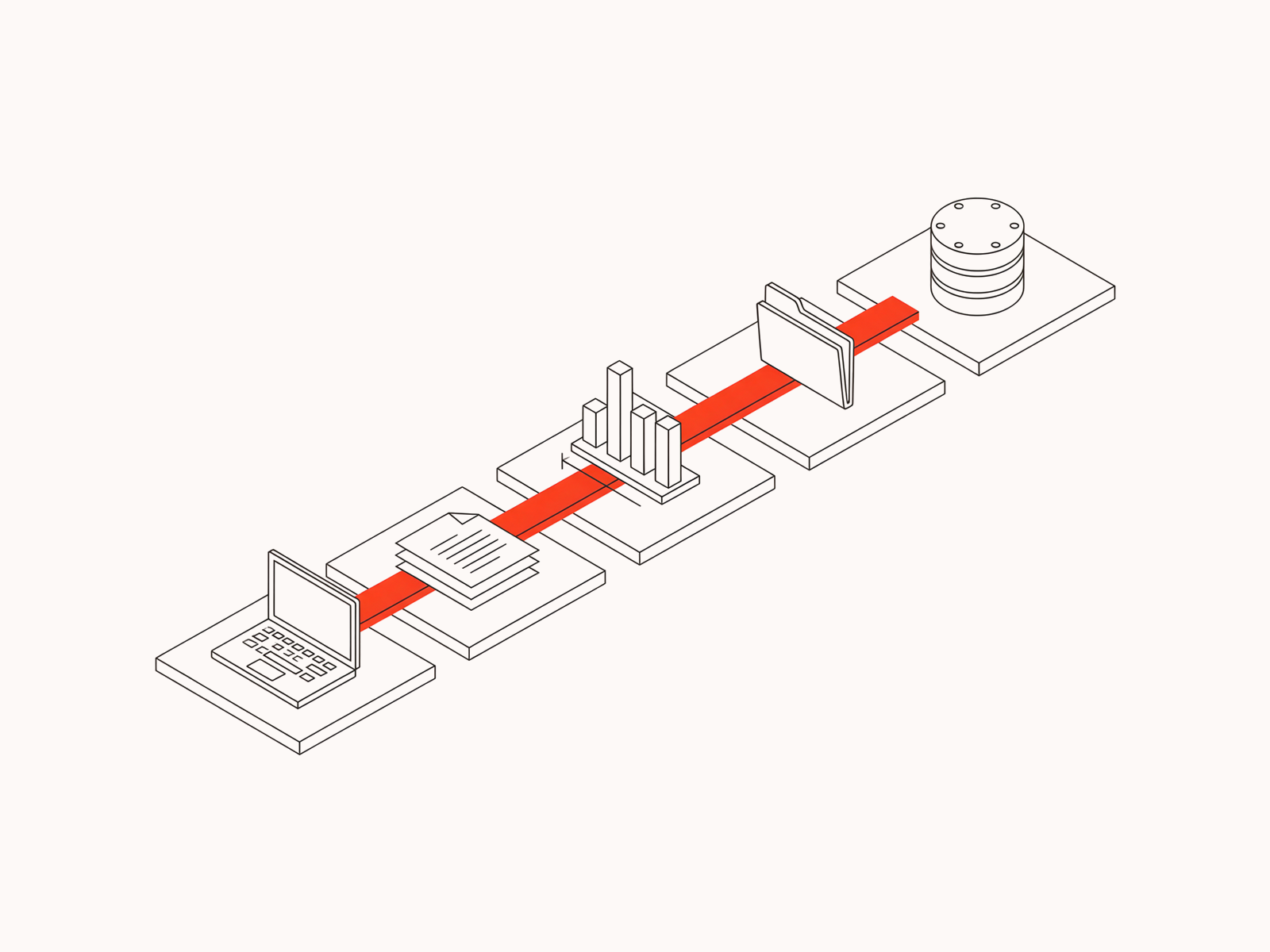
Run the entire project from one place.
Project management
Manage projects using dashboards, task lists, Kanban boards, Gantt timelines and calendars. Work through structured project stages rather than disconnected task lists. AI assistance can help monitor project health, allocate work and generate summaries.
Teams & capacity
See who is working on what. Track roles, skills, certificates and capacity. Plan workloads before key employees become the bottleneck.
Documents
Keep files connected to the project and work they belong to. Synchronise with SharePoint and OneDrive and collaborate without creating yet another isolated document archive.
Compliance & HSE
Turn HMS, SJA, deviations, incident reporting and quality assurance into active workflows with timestamped audit trails. Not PDFs forgotten in a folder. Not paperwork completed the night before an audit. Real operational processes.
Pipeline & sales
Connect what sales is promising with what the organisation actually has capacity to deliver. Track opportunities, weighted pipeline and projected resource requirements before the project even starts.
Finance & reporting
Keep project budgets and expenditure connected to project delivery. Bring financial and ESG reporting closer to the work that creates the numbers.
Four views your project managers live in.
Project management
Phases, dates and the people on them in one plan — instead of a schedule that lives in a spreadsheet and is already out of date.
People & capacity
Who is free, who is booked and whose qualifications expire next month — visible before it becomes a problem on site.
Compliance & HSE
Safety documents, deviations and inspections recorded where the work happens, so the audit trail is complete without anyone rebuilding it afterwards.
Finance
Budget against actual cost on the same project the work is planned in — not reconciled from a separate system weeks later.
Built to work with the tools you already use.
WorkHub is not designed to create another technology island. It connects to the systems many organisations already depend on.
For example, Outlook emails can become WorkHub tasks while retaining their project context, and WorkHub's Tripletex integration can synchronise customers, projects, hours and costs between project delivery and ERP.
Give suppliers access. Without giving them access to everything.
External collaboration is essential to many projects. It is also one of the easiest ways to lose control of information.
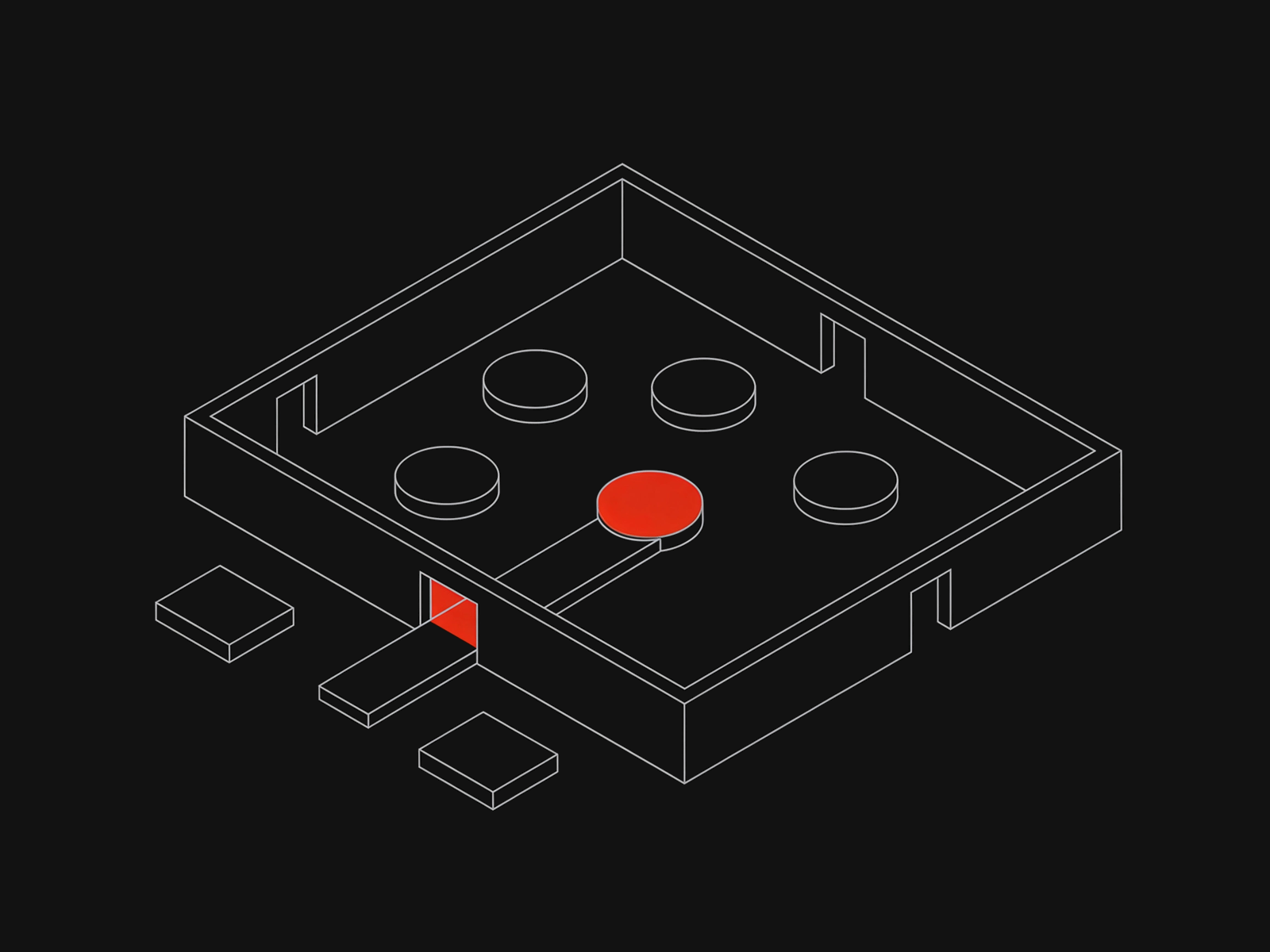
WorkHub includes scoped access for subcontractors and suppliers so external participants can work directly with the information relevant to them without getting unnecessary access to the wider organisation.
Built for project businesses.
Construction & contracting
Coordinate sites, teams, subcontractors, HSE documentation, project stages and financial performance.
Industrial services
Manage field work, maintenance, installations, quality processes, incidents and structured project delivery.
Engineering & professional services
Connect customer projects, deliverables, employee capacity, documentation and project profitability.
Fewer tools. Fewer handovers. More control.
The biggest WorkHub advantage is not one individual feature. It is what happens when information no longer has to jump continuously between disconnected applications.

Eight places to look, and somebody keeping them in step by hand.

The same operational areas, connected around one centre. That consolidation is also the core return-on-investment argument for WorkHub.
And a much clearer picture of what is actually happening across your projects.
Your projects already have enough complexity. Your software shouldn't add more.
Bring projects, teams, compliance, documentation and business operations into one workspace.
See what WorkHub could replace in your organisation.